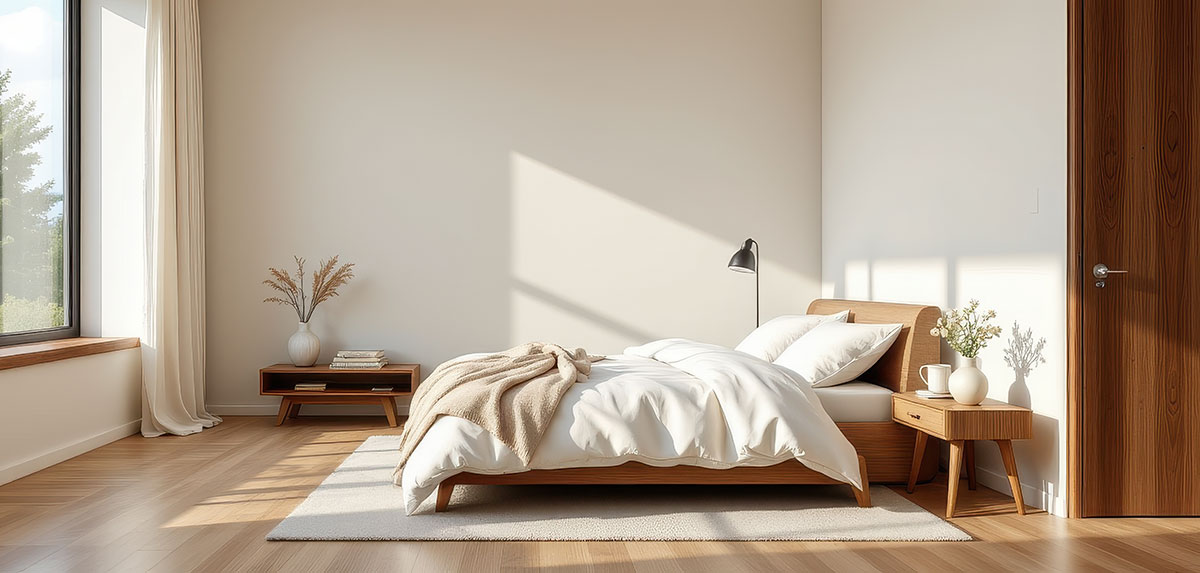
The Importance of a Home Sanctuary
Home is more than just a place to live. It is where we recharge, connect with family, and take care of ourselves. Over the years, I have learned that creating a space that supports wellness and self-care is essential for maintaining balance in both family and personal life. A well-designed home sanctuary nurtures the mind, body, and spirit while allowing each family member to feel safe, inspired, and supported.
Creating a home that promotes wellness is not about perfection or expensive design. It is about intention, simplicity, and creating environments that encourage rest, creativity, and connection.
Designing Spaces for Calm and Relaxation
A home sanctuary begins with spaces that encourage calm and relaxation. Soft lighting, natural textures, and cozy seating areas can transform everyday rooms into places where family members feel comfortable and at ease.
I have found that creating a quiet corner or reading nook in our home provides a space for reflection and mindfulness. Adding elements such as plants, soft rugs, and comfortable pillows makes these spaces inviting and encourages regular use. These small adjustments make a big difference in how we experience our home and support mental wellness.
Incorporating Family Wellness Practices
Wellness at home is most effective when it includes the whole family. Simple daily routines like shared meals, family walks, or morning stretches create consistency and encourage healthy habits.
For our family, mornings often include light yoga or stretching to start the day with intention and focus. Evening walks or bike rides allow us to connect while staying active. These practices foster physical wellness while creating moments of connection and presence. Engaging children in these routines teaches them the value of self-care and encourages them to carry these habits into adulthood.
Creating a Personal Self-Care Routine
Self-care is essential for maintaining energy and balance. It allows us to show up fully for our family and handle life’s challenges with clarity and patience. My personal self-care routine includes yoga, meditation, journaling, and time in nature. These activities help me center myself, manage stress, and nurture my mental and emotional health.
Even small practices can make a difference. Taking a few quiet moments for deep breathing, enjoying a warm cup of tea, or listening to calming music can reset your energy and mindset. By prioritizing self-care at home, we model the importance of wellness for our children.
Designing Functional and Beautiful Spaces
A home sanctuary should be both functional and aesthetically pleasing. Organization is key to reducing stress and creating a sense of order. Clutter-free spaces allow family members to move freely and enjoy their surroundings.
I enjoy incorporating areas for creativity and hobbies into our home. Craft stations, a small art corner, or a space for cooking experiments encourage exploration and learning. These functional spaces support both individual growth and family connection. When children see adults engaging in creative or wellness activities, they are more likely to embrace these practices themselves.
The Role of Nature in Home Wellness
Bringing elements of nature into the home enhances wellness and creates a sense of tranquility. Plants, natural light, and natural materials help connect us to the outdoors and support mental and physical health.
In our home, we place plants in common areas, use natural wood and stone accents, and ensure plenty of sunlight in living spaces. Observing nature, even indoors, has been shown to reduce stress, improve focus, and elevate mood. For children, interacting with plants or caring for a small garden teaches responsibility and appreciation for the environment.
Creating Rituals That Support Wellness
Rituals are an important part of creating a home sanctuary. They provide structure, comfort, and opportunities for connection. Simple daily rituals like family breakfasts, weekend nature walks, or evening reflection time can anchor the day and create a sense of balance.
In our family, we use mealtimes to connect and reflect on our day. We also dedicate time for mindfulness practices, whether it is meditation, journaling, or quiet play. These rituals foster emotional intelligence, strengthen bonds, and create a rhythm that supports overall wellness.
Encouraging Mindful Technology Use
Technology can disrupt the sense of peace and connection in a home if not managed thoughtfully. Creating boundaries around screen time helps maintain the home as a sanctuary.
In our household, we have tech-free zones and designated times for family connection. During meals, outdoor activities, and creative projects, we focus on presence and engagement rather than screens. This practice enhances relationships, encourages mindful behavior, and promotes a healthier home environment.
The Benefits of a Home Sanctuary
A home designed for wellness and self-care benefits everyone. Adults gain energy, focus, and mental clarity. Children learn healthy habits, emotional awareness, and the value of connection. Shared family practices foster communication, trust, and joy.
Creating a sanctuary at home supports balance in all areas of life. It transforms the home from a place of routine into a space that nurtures growth, creativity, and well-being. These intentional changes can have a lasting impact on family health and happiness.
Conclusion
Wellness and self-care begin at home. By creating spaces that are calm, functional, and connected to nature, families can cultivate environments that support mind, body, and emotional health. Incorporating daily routines, family rituals, and mindful practices encourages children to develop lifelong habits that foster balance and well-being.
For our family, home is a sanctuary where we recharge, create, and connect. Each small choice, from arranging a cozy reading nook to practicing mindfulness together, contributes to a life that feels balanced and joyful. Prioritizing wellness at home ensures that both adults and children can thrive, building a foundation for health, happiness, and connection that lasts a lifetime.