Finding Balance in a Busy World
Life can be overwhelming. Between family responsibilities, work, and social commitments, it is easy to feel pulled in many directions at once. I have learned over the years that true wellness comes from balancing all aspects of life, focusing not just on physical health, but also on mental and emotional well-being. Wellness is not a one-size-fits-all approach. It is a holistic practice that combines family, nature, and self-care to create a life that feels balanced and fulfilling.
The Role of Family in Wellness
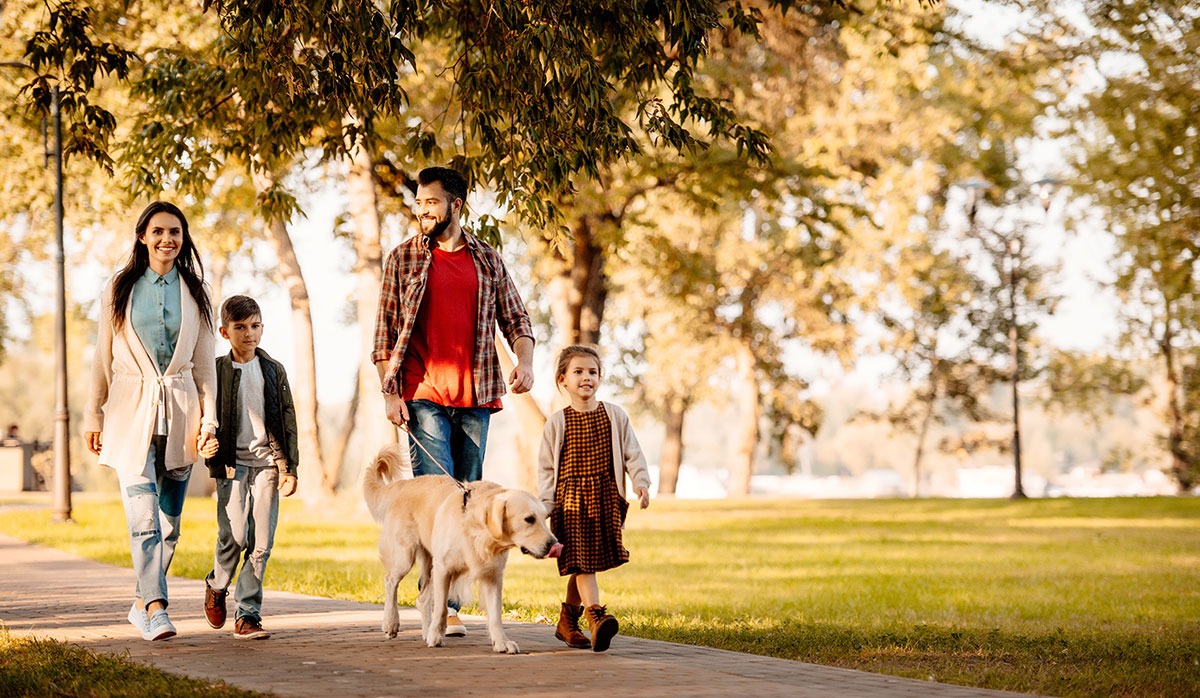
Family is at the heart of my wellness routine. Spending time with loved ones provides emotional support, strengthens relationships, and creates a sense of belonging. My children and I have learned that wellness is not just an individual practice but something that can be shared and nurtured together.
Shared meals, conversations about our day, and family activities like hikes or paddleboarding trips provide opportunities for connection and joy. These moments remind us that taking care of ourselves is closely tied to taking care of each other. Supporting each other emotionally and physically creates a positive cycle that strengthens the entire family unit.
The Healing Power of Nature
Nature has always been a source of inspiration and rejuvenation for me. Spending time outdoors, whether hiking in Montana, exploring trails in Park City, or paddleboarding on a lake, helps me reconnect with myself and the world around me. Nature teaches patience, presence, and mindfulness.
Outdoor activities are not only physically beneficial, but they also provide mental clarity and stress relief. Observing wildlife, breathing fresh air, and feeling the sun on my skin allows me to slow down and reset. Including my children in these activities helps them develop an appreciation for the natural world while fostering their own sense of balance and well-being.
Incorporating Self-Care into Daily Life
Self-care is an essential part of wellness, and it comes in many forms. For me, it includes yoga, spin classes, and time for reflection. Taking care of my body through exercise and nutrition allows me to have the energy to care for my family and pursue my passions.
Self-care is also about mental and emotional health. Journaling, reading, or simply taking a few quiet moments alone helps me process thoughts and emotions. It is easy to prioritize everyone else, but taking time to nurture yourself is crucial for overall wellness. When parents practice self-care, it sets a positive example for children and teaches them the importance of valuing their own well-being.
Mindful Family Activities
Combining family time with wellness practices is a great way to create balance. For example, we enjoy family hikes that encourage physical activity while providing an opportunity to talk and connect. Even simple rituals like preparing meals together or gardening can be both therapeutic and educational.
Engaging children in mindful activities helps them develop habits that support their physical and emotional health. They learn to be present, appreciate small moments, and value the connection between body and mind. These practices create a foundation for lifelong wellness.
The Importance of Gratitude
Gratitude is a powerful tool for wellness. Taking the time to reflect on what we are thankful for each day shifts our focus from stress and challenges to appreciation and positivity. In our family, we often share highlights of our day or discuss what brought us joy.
Practicing gratitude helps children develop emotional intelligence and resilience. It also reminds us as adults to slow down, celebrate small wins, and acknowledge the abundance in our lives. Gratitude nurtures mental and emotional well-being, reinforcing the sense of balance that is essential for a healthy life.
Balancing Work, Family, and Personal Time
Finding balance is a continuous process. Life is dynamic, and priorities shift over time. I have learned that it is important to be flexible while maintaining routines that support wellness. This includes setting boundaries around work, creating time for family, and carving out moments for self-care.
Even short periods of focused attention on well-being can have a profound impact. A ten-minute meditation, a walk outside, or a meaningful conversation with a family member can reset your energy and perspective. Consistency in these practices builds resilience and fosters a more balanced lifestyle.
Creating a Holistic Approach to Wellness
Wellness from the inside out means nurturing the mind, body, and spirit simultaneously. Family, nature, and self-care are all interconnected. Spending time with loved ones nurtures emotional health. Connecting with nature restores energy and focus. Practicing self-care maintains physical and mental well-being.
When these elements are combined intentionally, they create a strong foundation for living a balanced and fulfilling life. Each component supports the others, and together they help us navigate the challenges of daily life with grace and resilience.
The Rewards of a Balanced Life
The benefits of holistic wellness extend beyond personal health. A balanced life allows for stronger family relationships, more meaningful experiences, and a deeper sense of fulfillment. By prioritizing wellness, we teach our children the value of self-care, mindfulness, and connection.
Wellness is not about perfection or achieving a specific goal. It is about making small, intentional choices every day that support our well-being. It is about slowing down when life moves too quickly, appreciating the present, and cultivating a life that feels full and meaningful.
Conclusion
Wellness is a journey, not a destination. By integrating family, nature, and self-care into our lives, we create a foundation that supports balance, joy, and resilience. These practices are not just for adults but for children as well, providing them with tools to grow into healthy, mindful, and connected individuals.
Living with intention, embracing the healing power of nature, and making time for self-care and family connection allows us to nurture wellness from the inside out. It is a practice that transforms not only our own lives but also the lives of those we love.